
Virtual Program
National Day for Truth and Reconciliation
Learn from Indigenous experts speaking about the residential school system, its effects, as well as the path toward truth and reconciliation. Watch a selection of videos created by trusted organizations to help guide your understanding of this dark chapter in Canadian history and its ongoing impacts on Indigenous peoples.
This video series will be available from September 26 to October 5, 2026.
Trigger Warning: Residential School Content
These videos contain accounts and information about the history and legacy of residential schools in Canada. They may include descriptions of abuse, trauma, and loss that could be emotionally triggering—especially for Survivors, their families, and communities affected by intergenerational harm.
Support is available
Please prioritize your well-being. If you need support, a 24-hour crisis line is available. Residential School Survivor Support Line: 1-866-925-4419. This line is toll-free and available across Canada to former students and their families.
Indigenous peoples across Canada can also connect with The Hope for Wellness Help Line 24 hours a day, 7 days a week for counselling and crisis intervention. Call the toll-free help line at 1-855-242-3310 or connect to the online chat.
Land acknowledgement + flag raising
Start your online experience with a land acknowledgement read by Will Baird, General Manager of Huronia Historical parks. Then watch the raising of the survivor flag at Sainte-Marie among the Hurons.
About the land
Huronia Historical Parks would like to acknowledge that we are located on lands which are the traditional and Treaty territory of the Anishinabek people, now known as the Chippewa Tri-Council comprised of Beausoleil First Nation, Rama First Nation, and Georgina Island First Nation.
We also recognize that we are located on land which was once the traditional territory of the Wendat and that our community is the traditional homeland of the Métis Nation and to a large and diverse community of Indigenous peoples.
Indigenous people continue to care for this land and shape the Ontario, Canada and North America of today. Hundreds of years after the first treaties were signed, they are still relevant today.
We acknowledge that many Indigenous Nations have long-standing relationships, both historic and modern, with the territories upon which these historical sites are located, and that these relationships precede their establishment.
May we never forget these legacies, and may we learn well the lessons their descendants have to teach us about living on this Earth.
What is Truth and Reconciliation?
Hear from Del Taylor of Curve Lake First Nation, retired historical program coordinator at Sainte-Marie. This video offers a brief overview of why the National Day for Truth and Reconciliation is so important.
Why we honour survivors
Learn about the history of residential schools in Canada, as well as their many current day impacts, from the team at the Legacy of Hope Foundation, which supports survivors and their descendants.
Missing and Murdered Indigenous Women
Hear about the events leading to the ongoing issue of missing and murdered Indigenous women and girls in Canada, from the perspective of elder Sherry Lawson of Rama First Nation.
The way forward
Learn about the path toward Truth and Reconciliation from the perspective of Dr. Cynthia Wesley-Esquimaux, 1st Indigenous Chair for Truth and Reconciliation in Canada for Lakehead University. Dr. Wesley-Esquimaux is of Chippewa of Georgina Island First Nation.
Learn. Reflect. Reconcile.
We invite you to explore this collection of videos from the National Centre for Truth and Reconciliation, Historica Canada, CBC, and the Canadian Human Rights Commission. Learn about and engage with important narratives, history, and teachings that contribute to truth, understanding, and reconciliation.
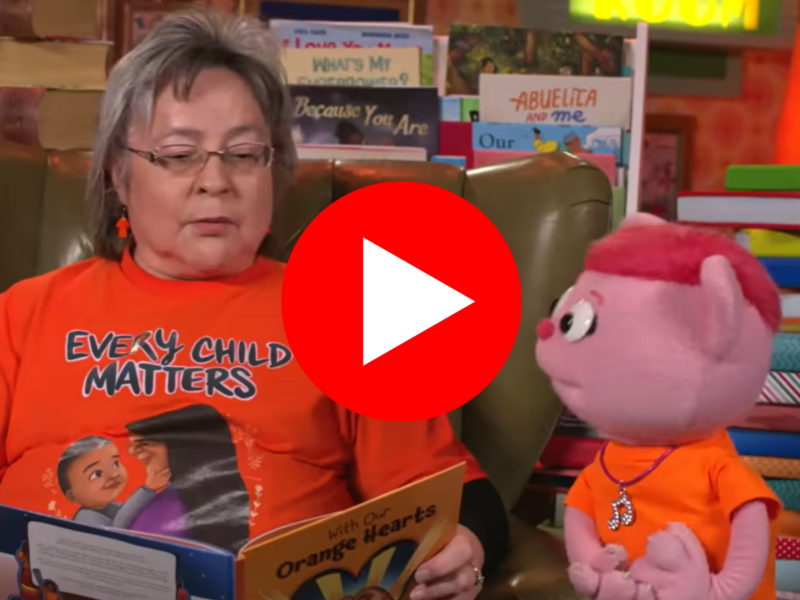
Learning resources for youth
Access kid-appropriate learning resources that explore topics like why we wear orange shirts, cultural reclamation, and Canada’s residential school system.
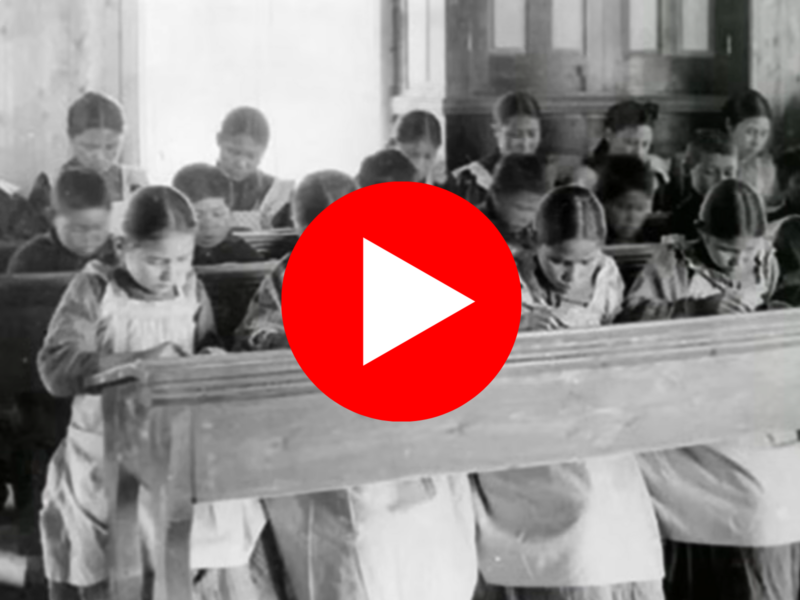
Learning resources for adults
Watch helpful videos on a wide variety of issues relating to colonial history in Canada including Canada’s residential school system and its ongoing impacts on Indigenous communities.
Thank you
We thank you for joining us and for learning about this important topic.
About the Truth and Reconciliation Commission of Canada
The Truth and Reconciliation Commission (TRC) provided those directly or indirectly affected by the legacy of the Indian Residential Schools system with an opportunity to share their stories and experiences.
The TRC’s mandate was to inform all Canadians about what happened in residential schools. The TRC documented the truth of Survivors, their families, communities and anyone personally affected by the residential school experience.
In order to redress the legacy of residential schools and advance the process of Canadian reconciliation, the Truth and Reconciliation Commission made 94 calls to action.
Canada has delivered on fewer than 20 of those calls to action. Learn more about the TRC and the calls to action on their website.